TorsoSpin is a new version of what physical therapists call an Upper Body Ergometer or “arm bike.”
Rugged and versatile, TorsoSpin is designed for general strengthening and conditioning by people of all fitness levels, with the effectiveness and safety that physical therapists have long appreciated in ergometers.
Upper body ergometers are low impact and highly adaptable:
Adjustable Resistance: A user can begin the resistance at a very low level and gradually increase it as strength increases.
Controlled Movement: The fixed-path motion is safer than using free weights.
Provided to fitness and health clubs, TorsoSpin is designed for use in a class led by an instructor or under the direction of a trainer.
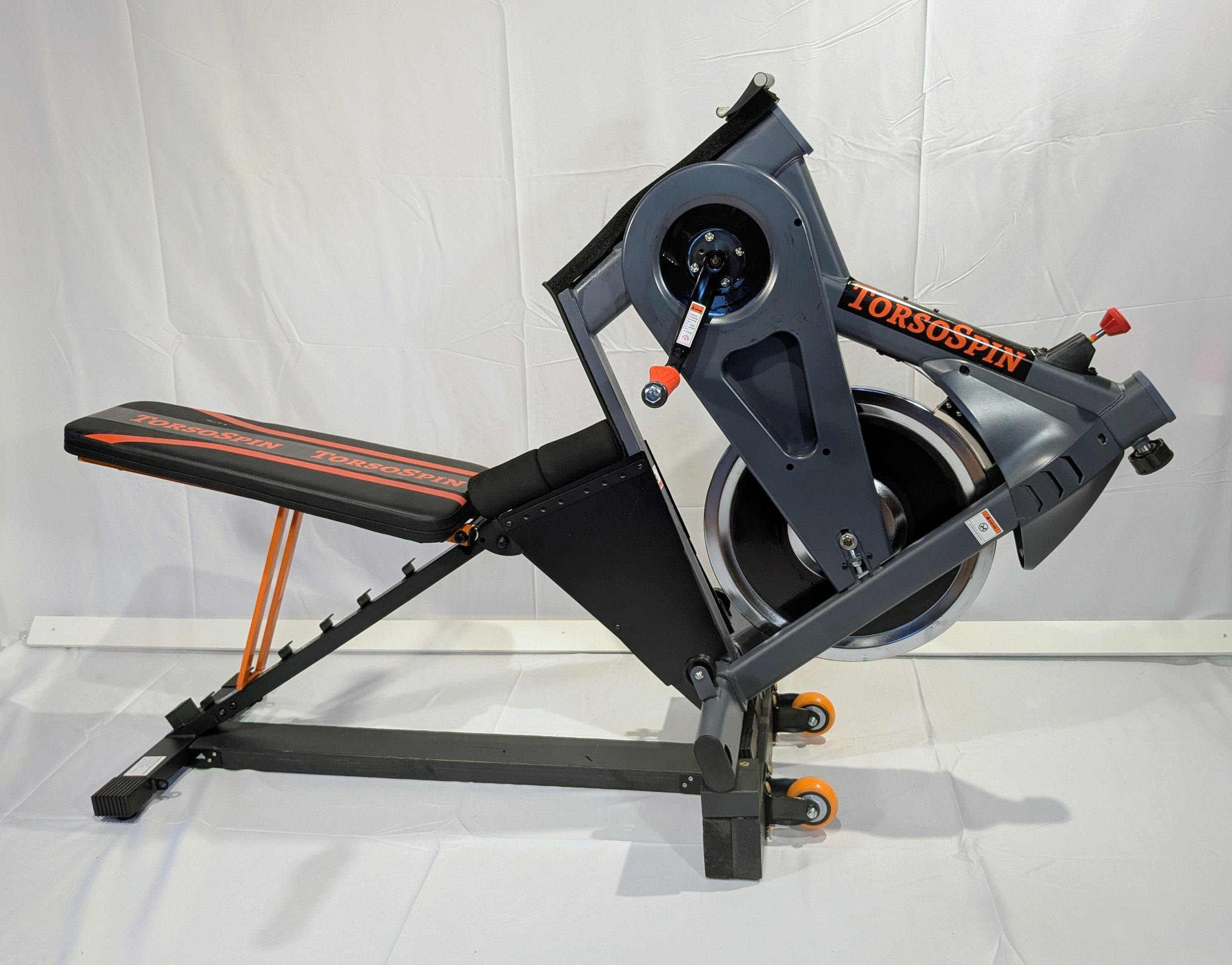
Prototype designed and crafted in the USA using imported components ee
Physical therapists use Upper Body Ergometers to:
Increase Strength: It targets the muscles of the shoulders, arms (biceps and triceps), chest, and upper back.
Improve Range of Motion: The smooth, repetitive, and bi-directional (forward and backward) motion is perfect for gently restoring mobility in the shoulder, elbow, and wrist joints, especially after surgery (like a rotator cuff repair) or injury.
Build Endurance: It helps patients rebuild muscular endurance in their arms and shoulders, which is essential for daily activities like lifting, pushing, and pulling.
What muscles are worked during a TorsoSpin workout?
Arm muscles
Biceps: These muscles on the front of your upper arm contract as you pull the handles toward your body, particularly when using the “curl” grip.
Triceps: The muscles on the back of your upper arm extend the elbow joint as you push the handles away, and as you row downward
Forearms and wrists: The smaller muscles in your forearms and wrists are activated to maintain a firm grip on the handles.
Shoulder and chest muscles
Deltoids : All three heads of the deltoids—front, side, and rear—are engaged to stabilize and move the arms, with a particular focus on the front deltoids during the pushing phase and the back deltoids during the pulls.
Pectorals : Your chest muscles assist in the pushing motion, particularly downward, while helping to stabilize your upper torso.
Back and core muscles
Upper back : Trapezius and rhomboids work dynamically during each push and pull
Lower back: Flexes and twists gently as effort alternates between right and left handles
Core : Abdominals and obliques contract and release with each “pump” as you transmit power from your torso to your arms, and work isometrically to stabilize your body on the machine
By changing:
— your grip (palms down or up),
— your seating position (forward or back),
— your posture (seated, standing, kneeling, or on your back) ,
—the height of the seat,
you change the angle of effort and thus vary the muscles, ligaments and joints engaged and conditioned.
Basics of Operation — page 1
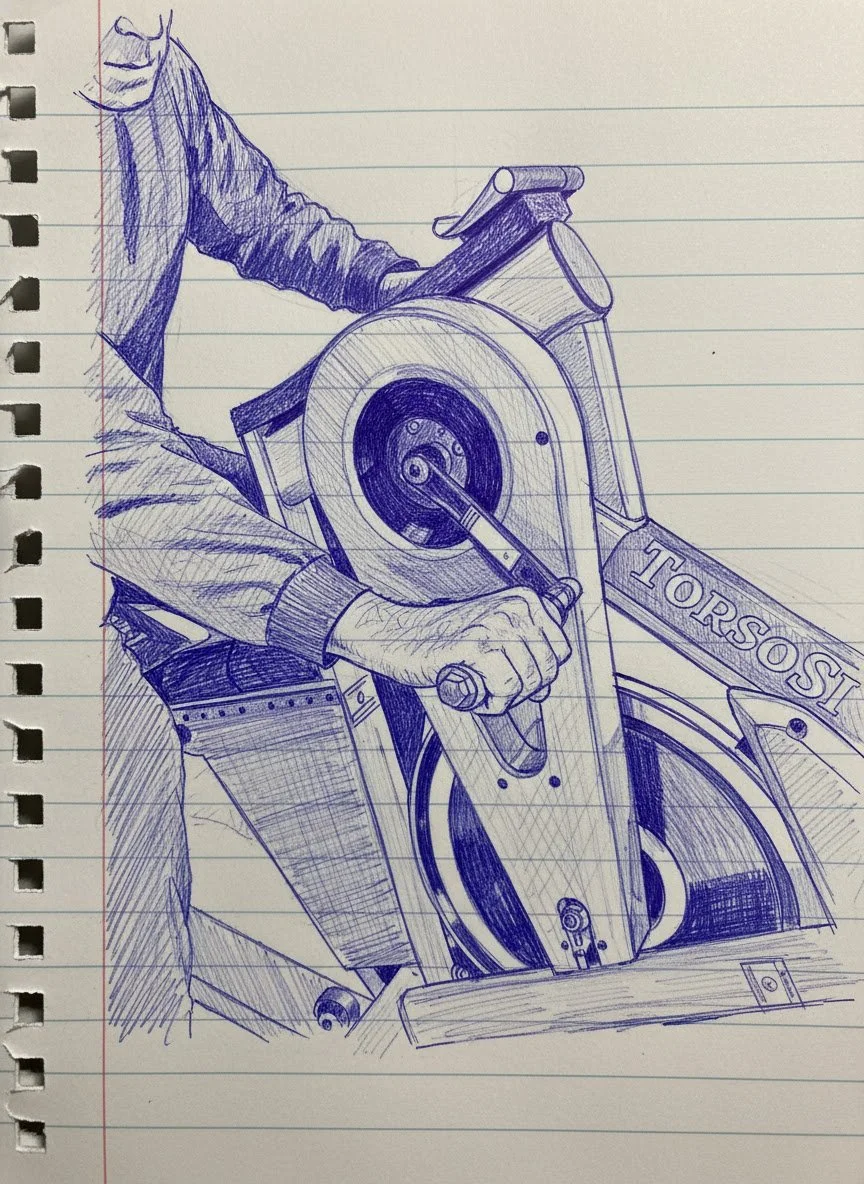
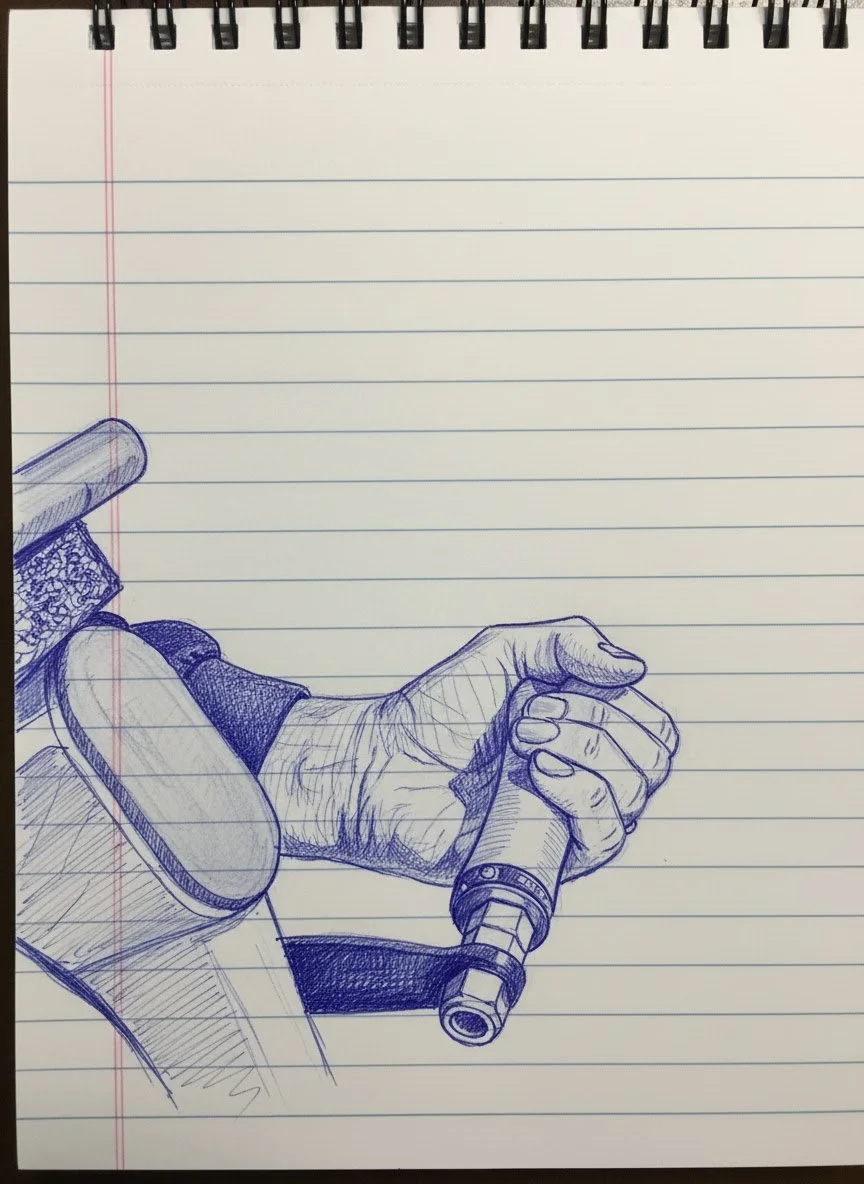
Overhand grip
Underhand grip
For Joint Mobility and General Warm Up
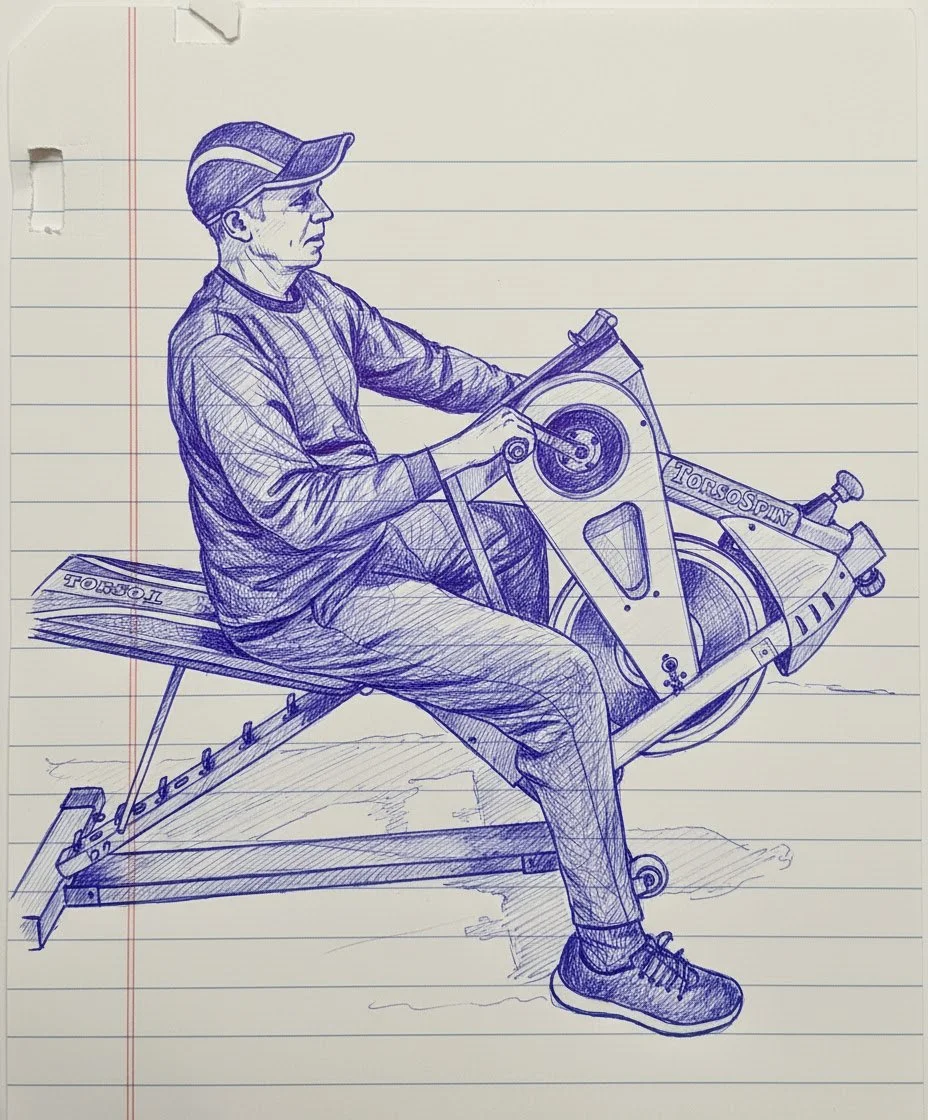
Overhand grip
Light resistance
Comfortable posture
Straight lower back
Pull back and over, one side, then other
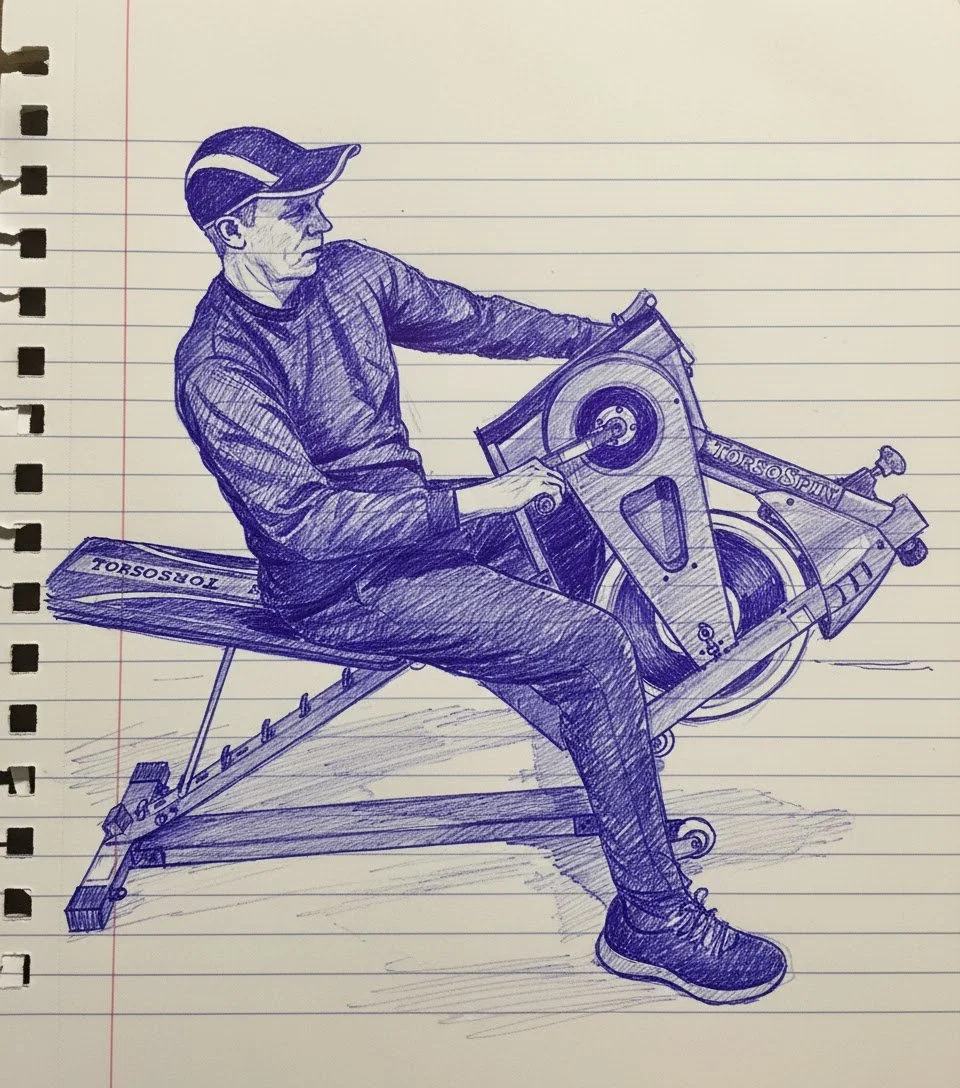
Make large, relaxed, shoulder circles
Moderate cadence
Repeat for 10+ revolutions
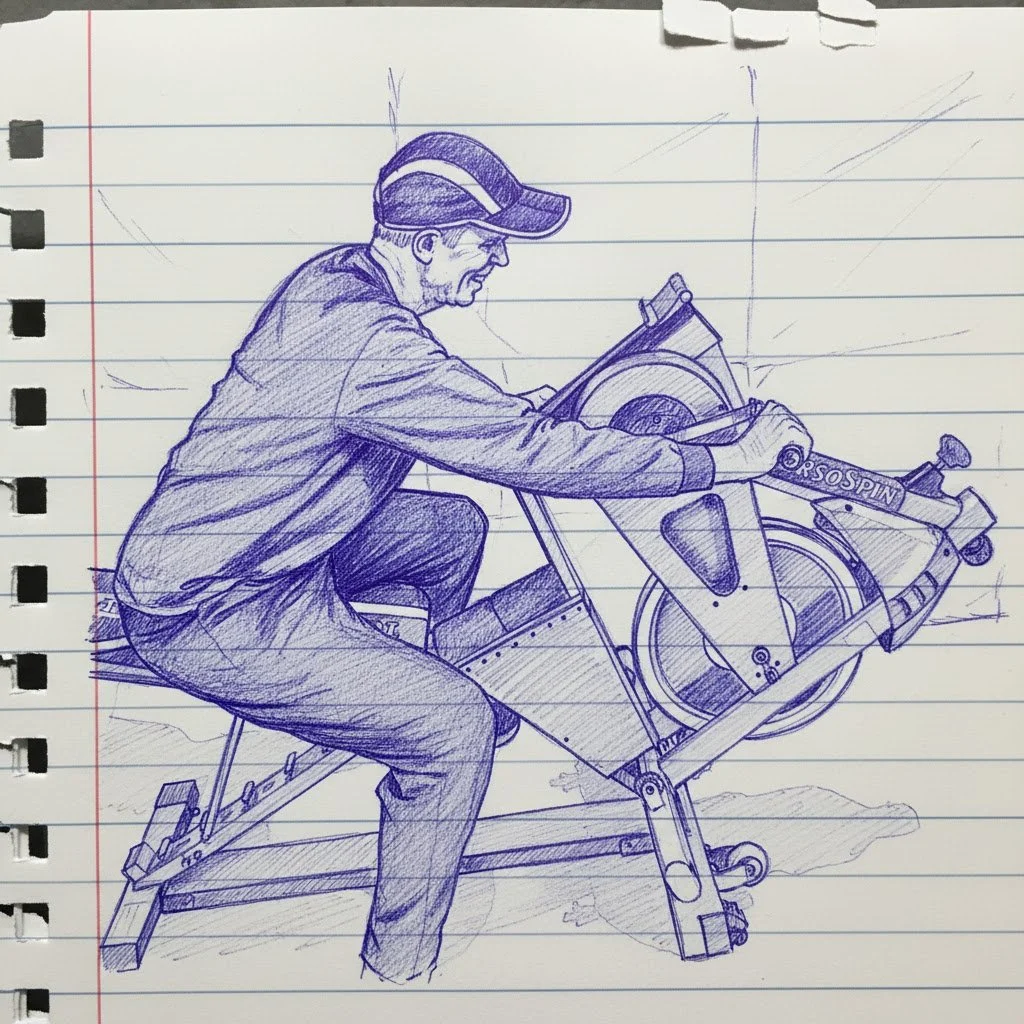
Reverse direction
Push over, one side, then other
Continue relaxed shoulder motion
Repeat for 10+ revolutions
Basics of Operation — page 2
For Balanced Mobility and Strength
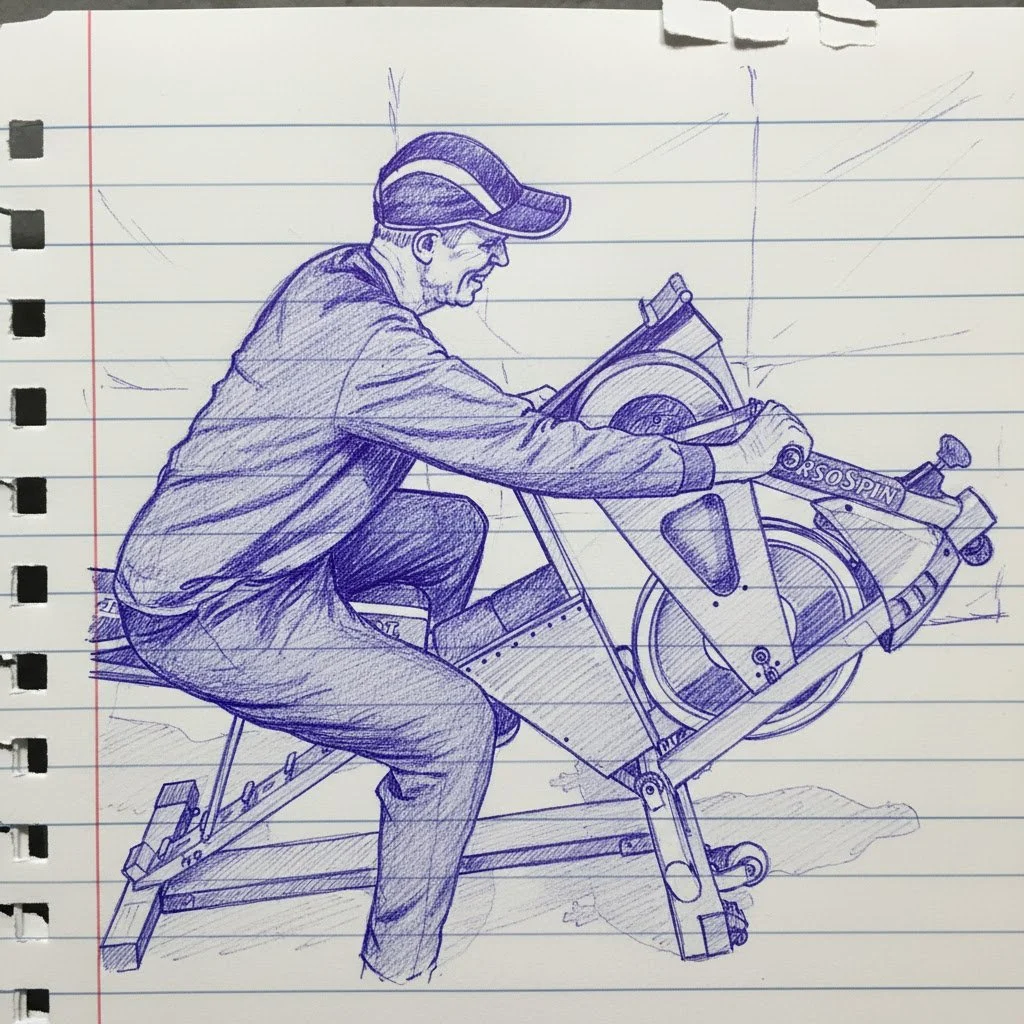
Increase resistance to moderate
Concentrate effort in a pump
Continue shoulder circles
Repeat for 10+ revolutions
Reverse direction
Push - pump over the top, one side, then other
Continue shoulder circles
Repeat for 10+ revolutions
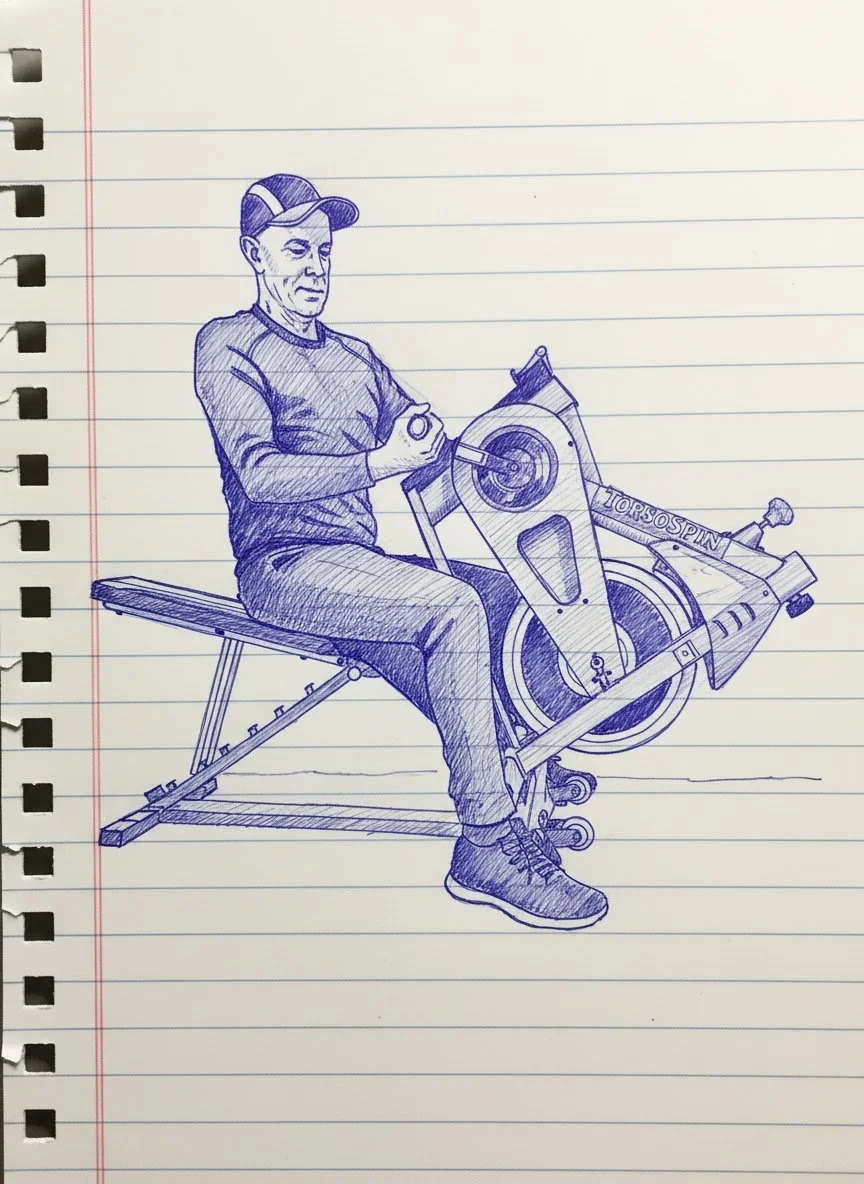
Change grip to underhand
Pull - pump over the top, one side, then other
Continue shoulder circles
Repeat for 10+ revolutions
Basics of Operation — page 3
For Maximum Arm Strength
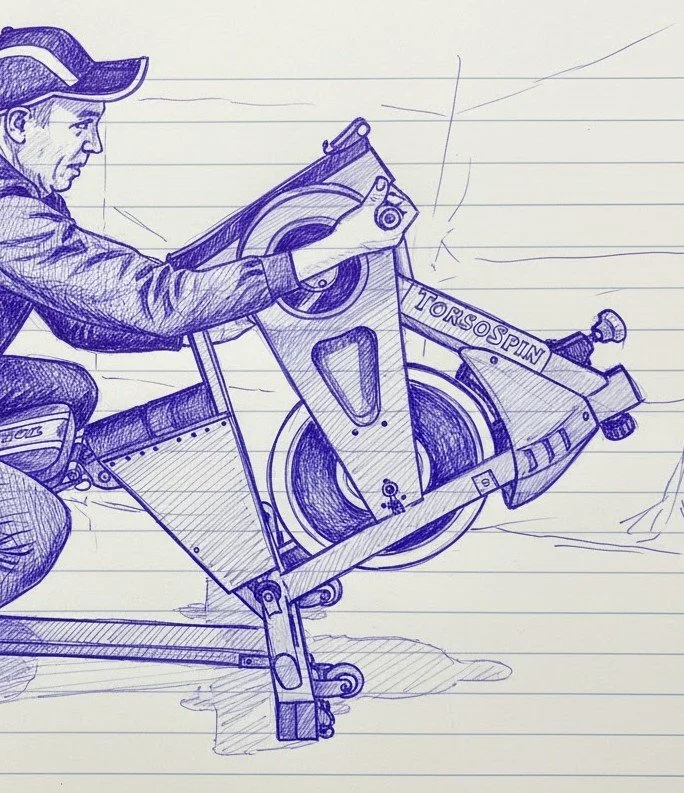
Increase resistance to moderate/heavy
Hold shoulders and head steady, no circles
No pump —continuous 360 degree effort
Bilateral — both sides at once. Pull and push.
Repeat for 10+ revolutions
Change grip to overhand
Repeat for 10+ revolutions
Reverse direction
Repeat for 10+ revolutions
Play with these variations:
There are few wrong ways to use a TorsoSpin cycle. Motion is lotion, so get that upper body moving. To avoid strains, always keep your lower back straight and increase resistance gradually.
Grips — overhand / underhand
Rotation — forward / backward
Direction of Effort —
push / pull
over / under
up /down
Shoulders — “rock & roll” active / steady
Strokes — smooth / pumped
Posture — sit / stand / kneel
Bench inclines — forward / backward, slight / steep
Resistance — light / moderate / heavy
Cadence — slow / moderate / intense
Foot Placement — under / stretched / tucked ( whatever position allows you to maintain a straight lower back